





If you’ve spent more than five minutes on social media lately, you’ve likely seen influencers brushing their teeth with a mysterious jet-black paste, claiming it’s the secret to a Hollywood smile. Activated charcoal has taken the wellness world by storm, but is it actually a miracle worker, or are you literally scrubbing your smile away?
Before you swap your regular tube for the “goth” version, let’s look at the science behind the trend and what dentists really think about charcoal toothpaste.
What is Activated Charcoal?
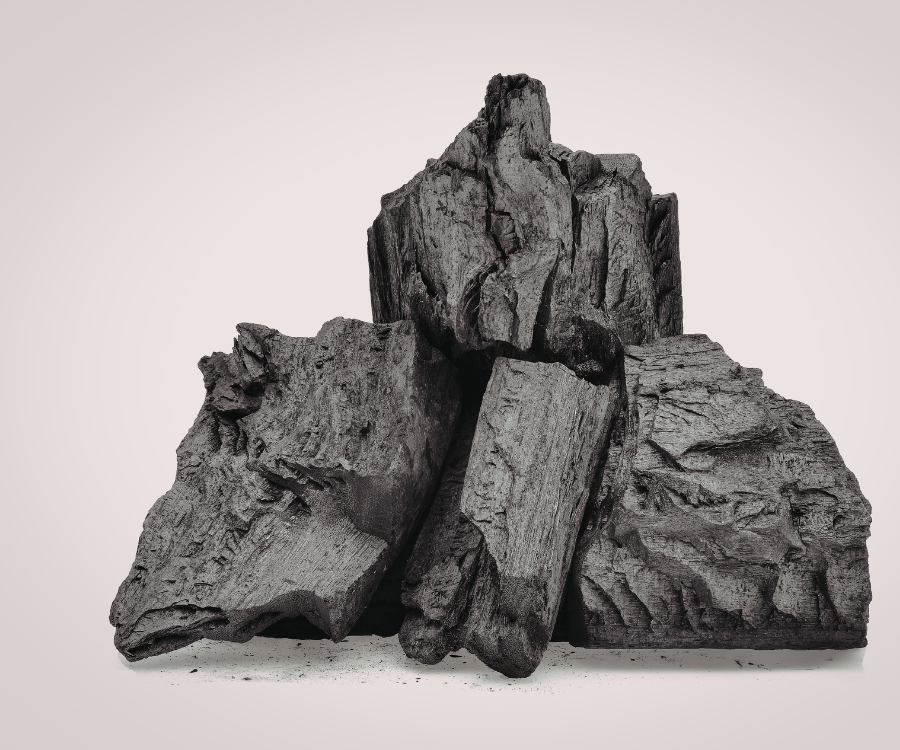
The charcoal in your toothpaste isn’t the same stuff you use for a weekend braai. Activated charcoal is a fine-grained powder made from natural substances like coconut shells or wood that have been “activated” by high heat. This process creates tiny pores that allow the charcoal to trap chemicals and stains.
In a medical setting, it’s often used to treat certain types of poisoning because it acts like a magnet for toxins. In the beauty world, brands claim it does the same for your teeth—pulling out coffee, tea, and wine stains to reveal a brighter smile.
Does it Actually Whiten Teeth?
The short answer is: sort of, but not in the way you think.
Charcoal toothpaste is highly abrasive. This means it works by physically scrubbing away surface-level (extrinsic) stains. If you’re a heavy coffee drinker, you might notice a slight brightening after a few uses because it’s essentially “sanding” off the top layer of debris.
However, it cannot change the natural color of your teeth or remove deep (intrinsic) stains. Professional whitening products use peroxide to penetrate the enamel; charcoal simply stays on the surface.
The Risks You Need to Know
While the immediate results can be tempting, dental professionals have raised several red flags regarding daily use:
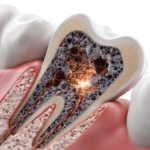
- Enamel Erosion: Because it is so gritty, charcoal can wear down your tooth enamel—the protective outer layer of your teeth. Unlike your skin, enamel doesn’t grow back. Once it’s gone, it’s gone for good.
- The “Yellow” Effect: Ironically, using charcoal too often can make your teeth look more yellow. As the white enamel thins, the yellowish layer underneath (called dentin) becomes more visible.
- Increased Sensitivity: Thinner enamel means your nerves are less protected, leading to that sharp “zing” when you eat hot or cold foods.
- Lack of Fluoride: Many “natural” charcoal toothpastes leave out fluoride. Fluoride is the primary ingredient that strengthens enamel and prevents cavities. Without it, you’re leaving your teeth vulnerable to decay.
- Messy Restoration Damage: If you have veneers, bridges, or crowns, charcoal particles can get stuck in the edges, leaving behind unsightly gray or black lines that are difficult to remove.
Is There a Middle Ground?
If you love the “deep clean” feeling of charcoal, you don’t necessarily have to bin the tube immediately. Most dentists suggest using it no more than once a week as a supplement to your regular routine, rather than a replacement for it.
Always follow up with a fluoride-based toothpaste to ensure your enamel is getting the minerals it needs to stay strong.
The Bottom Line
Charcoal toothpaste is a trendy tool for surface cleaning, but it isn’t a long-term whitening solution. For a truly brighter smile that doesn’t compromise your oral health, stick to ADA-approved whitening toothpastes or talk to your dentist about professional treatments.
Your enamel is precious—treat it with a bit more kindness than a piece of charcoal!