





Is Your Tooth Trying to Tell You Something? Signs You Might Need a Dental Crown
We use our teeth for everything—from enjoying a favorite meal to flashing a smile in photos. But because they work so hard, they occasionally sustain damage that a simple filling can’t fix.
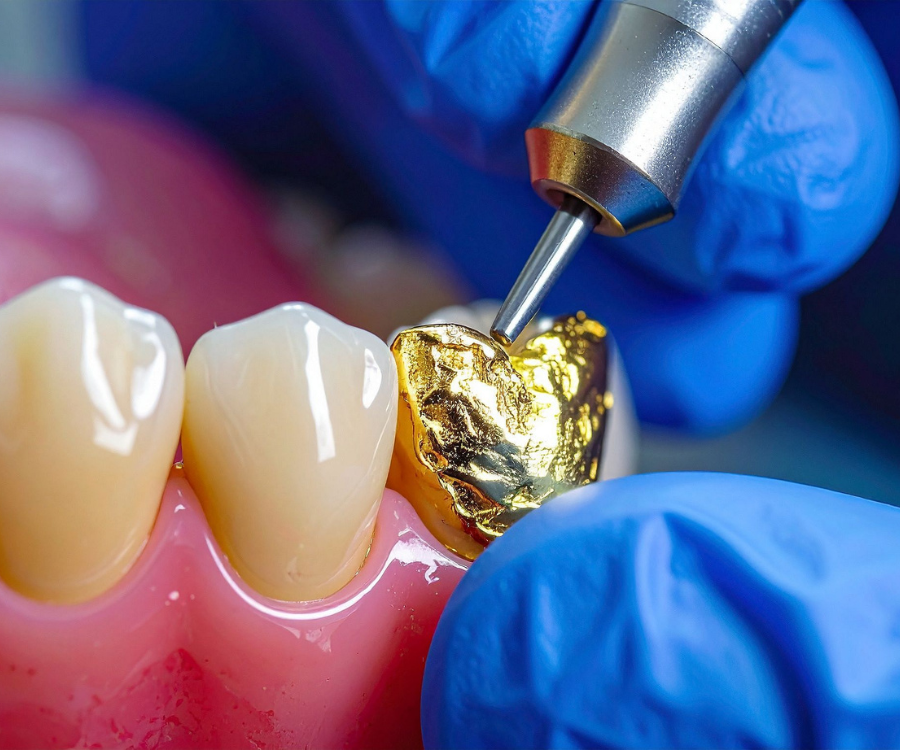
When a tooth is structuraly compromised, a dental crown acts as a custom-fitted “cap” that restores its shape, size, and strength. Because the symptoms of a failing tooth can be subtle, many people wait until they are in pain to seek help.
If you’re wondering whether your smile needs a little extra reinforcement, here are the most common signs that it’s time to talk to your dentist about a crown.
1. You Have a Large, Aging Filling
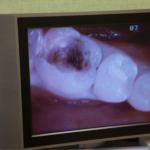
Fillings are great for small cavities, but they don’t last forever. If a filling takes up more than half of the tooth’s surface, the remaining natural tooth structure becomes thin and brittle. Over time, the “stress” of chewing can cause the tooth to fracture around the filling. A crown protects the entire tooth, preventing it from crumbling under pressure.
2. A Noticeable Crack or Chip
Not all chips are just cosmetic issues. If you have a deep crack—especially one that extends toward the gum line—your tooth’s integrity is at risk. Even if it doesn’t hurt yet, bacteria can enter these tiny fissures, leading to decay or infection. A crown holds the tooth together, acting like a protective shield that prevents the crack from spreading.
3. Persistent Pain or Sensitivity
Do you experience a sharp zing when you bite down or a lingering ache after drinking something cold? This often indicates Cracked Tooth Syndrome or advanced decay. When the internal pulp of the tooth is stressed because the outer enamel is compromised, a crown provides the necessary insulation and stability to stop the pain.
4. You’ve Recently Had a Root Canal
A root canal saves a dying tooth by removing infected tissue from the inside. However, this process leaves the tooth “hollowed out” and much more prone to breaking. In almost every case, dentists recommend a crown following a root canal to ensure the tooth remains functional and doesn’t shatter during a normal meal.
5. Excessive Wear and Tear (Bruxism)
If you struggle with grinding your teeth at night (bruxism), you might notice your teeth looking shorter or flatter over time. This wear-and-tear erodes your enamel, leaving the sensitive yellow dentin exposed. Crowns can restore your “bite height” and protect what remains of your natural teeth from further grinding damage.
6. Cosmetic Flaws and Discoloration
Sometimes, the need for a crown isn’t about pain—it’s about confidence. If a tooth is severely misshapen or has deep internal staining that professional whitening can’t fix, a porcelain crown can provide a perfect, natural-looking restoration that blends seamlessly with the rest of your smile.
Don’t Wait for the Ache
Ignoring a compromised tooth usually leads to more expensive and invasive procedures down the road, such as extractions or dental implants. If you recognize any of these signs, a quick consultation with your dentist can determine if a crown is the right move to keep your smile healthy and intact.