





Top 10 Brushing Mistakes You Didn’t Know You Were Making
We’ve been doing it since we were toddlers, so it feels like second nature. You grab the brush, apply the paste, scrub for a bit, and move on with your day. But here’s the truth: most people are actually brushing their teeth incorrectly.
Even with the best intentions, certain habits can lead to enamel wear, receding gums, and persistent plaque. If you want to keep your smile bright and avoid extra time in the dentist’s chair, check if you’re making these common brushing blunders.
1. Brushing Too Hard
More pressure does not mean cleaner teeth. In fact, aggressive scrubbing can wear down your enamel (the protective outer layer) and push back your gum line.
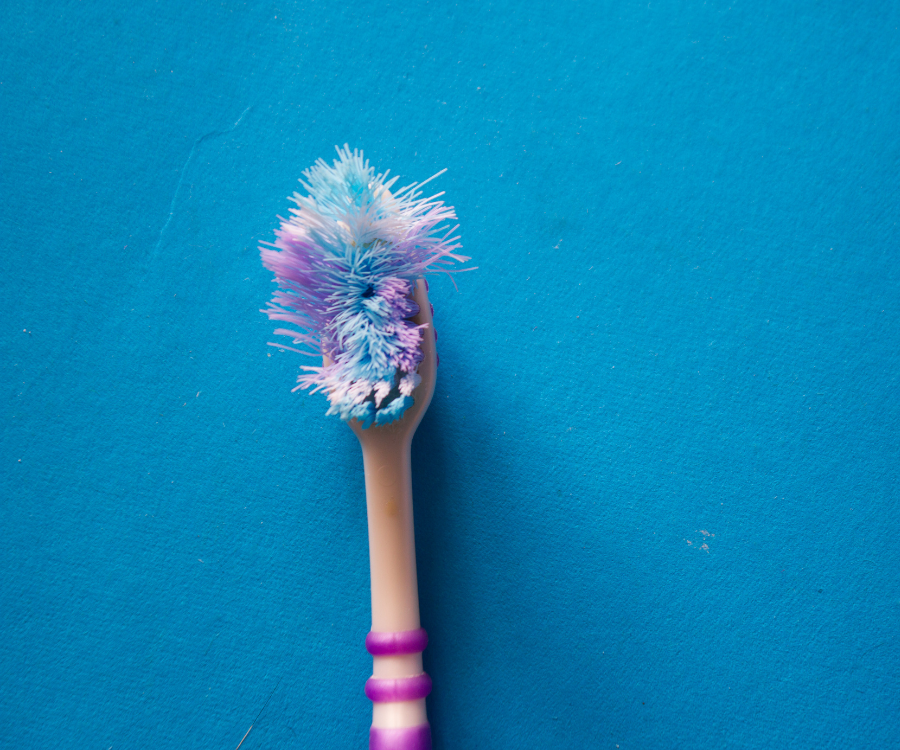
- The Fix: Think of it as “massaging” your teeth rather than “scrubbing” a floor. If your toothbrush bristles are splayed out within a month, you’re pressing too hard.
2. Using the Wrong Bristle Type
You might see “Hard” or “Medium” bristles at the store and think they’ll provide a deeper clean. Don’t be fooled. For the vast majority of people, these are far too abrasive.
- The Fix: Always opt for Soft or Extra-Soft bristles. They are flexible enough to clean under the gum line without causing damage.
3. The “Sawing” Motion
Most people brush in straight horizontal lines across their teeth. This “sawing” motion misses the gaps between teeth and can irritate the gums.
- The Fix: Use small, circular motions. Angle your brush at a 45-degree angle toward the gum line to ensure you’re reaching the spots where plaque loves to hide.
4. Not Brushing Long Enough
The average person brushes for about 45 seconds. Unfortunately, that’s not enough time to reach every surface and allow the fluoride in your toothpaste to do its job.
- The Fix: Set a timer for full 2 minutes. Divide your mouth into four quadrants and spend 30 seconds on each.
5. Rinsing With Water Immediately After
This is the mistake almost everyone makes. If you rinse your mouth with water right after brushing, you’re washing away the concentrated fluoride that protects your teeth.
- The Fix: Spit out the excess toothpaste, but don’t rinse. Let that thin layer of paste sit on your teeth to strengthen the enamel.
6. Keeping Your Toothbrush Too Long
Old toothbrushes are breeding grounds for bacteria, and frayed bristles lose their effectiveness.
- The Fix: Change your toothbrush (or electric head) every 3 to 4 months, or sooner if you’ve recently been sick.
7. Ignoring the Inner Surfaces
We tend to focus on the “social side” of our teeth—the parts people see when we smile. However, the tongue-side surfaces of your teeth collect just as much tartar.
- The Fix: Make a conscious effort to tilt the brush vertically to reach the back of your front teeth and the inner molars.
8. Brushing Immediately After Eating
If you just had a glass of orange juice or something acidic, your enamel is temporarily softened. Brushing right away can actually scrub the acid into the enamel.
- The Fix: Wait at least 30 to 60 minutes after eating before you brush. In the meantime, rinse with water to neutralize the pH in your mouth.
9. Forgetting the Tongue
Your tongue is like a carpet that traps bacteria and food particles, which is the leading cause of bad breath.
- The Fix: Give your tongue a gentle brush from back to front, or use a dedicated tongue scraper for a fresher mouth.
10. Storing Your Brush in a Closed Container
It might seem “cleaner” to keep your brush in a travel case or a medicine cabinet, but bacteria thrive in moist, dark environments.
- The Fix: Store your brush upright and in the open air so it can dry completely between uses.
Pro Tip: Even the most perfect brushing routine can’t replace a professional cleaning. If it’s been more than six months since your last check-up, give us a call to schedule an appointment!