





The Two Halves of a Dental Implant
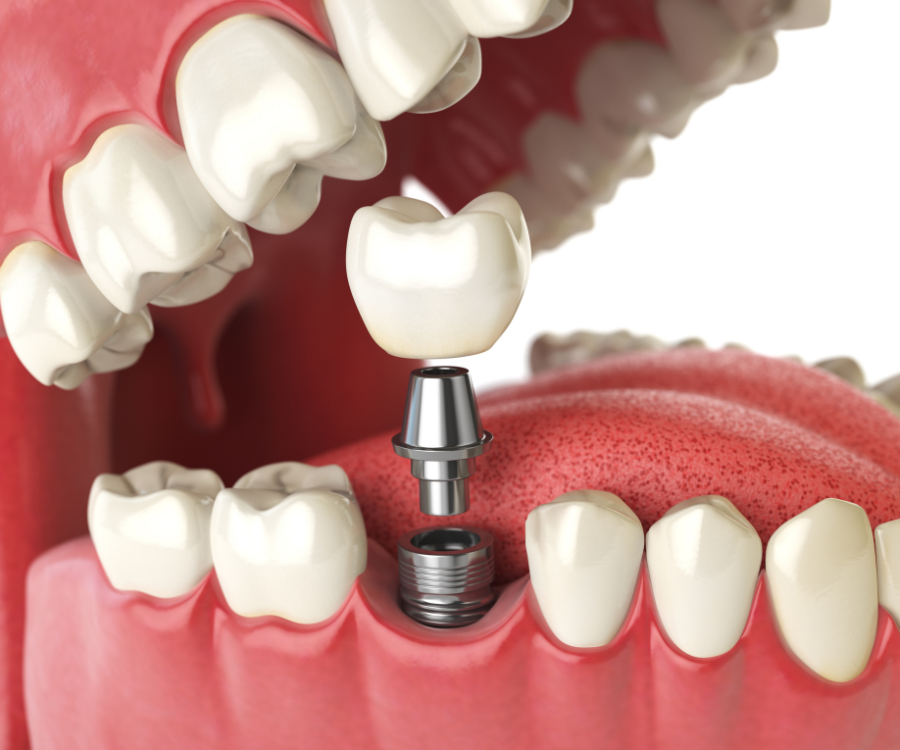
A dental implant is actually a system made of two distinct parts, and they have completely different lifespans.
- The Titanium Post (The Root): This is the screw surgically placed into your jawbone. Because titanium is highly biocompatible, your bone naturally fuses with it over a few months through a biological process called osseointegration (bone bonding). Once this bond forms, the post essentially becomes a permanent part of your anatomy. It rarely ever needs to be replaced.
- The Crown (The Tooth): This is the ceramic or porcelain prosthetic tooth attached to the top of the post. Because it handles all the daily wear and tear of chewing and biting, an implant crown typically lasts 10 to 15 years before it needs to be updated or replaced due to normal structural wear.
What Do the Clinical Studies Show?
Data from large-scale national datasets and clinical reviews show that dental implants have the highest long-term success rate of any tooth replacement procedure available today.
| Metric | Dental Implants | Traditional Bridges | Removable Dentures |
| Average Lifespan | 25+ years to a lifetime | 7 to 15 years | 5 to 7 years |
| 5-Year Success Rate | 95% – 98% | 80% – 90% | N/A (requires relining) |
| 10-Year Success Rate | 94% – 96% | 50% – 80% | High structural wear |
| Impact on Nearby Teeth | Protects and preserves | Requires grinding adjacent teeth | Can loosen anchor teeth |
| Jawbone Preservation | Yes (prevents bone loss) | No | No (accelerates bone shrinkage) |
The Bone Preservation Bonus: When you lose a tooth, the underlying jawbone naturally begins to deteriorate over time because it lacks stimulation. Implants are the only tooth replacement option that stimulates the bone, preventing that facial sagging and bone loss.
Key Factors That Influence Implant Longevity
While the success rates are incredibly high, an implant’s true lifespan depends heavily on your lifestyle and health. The main factors that determine how long your investment will last include:
1. Oral Hygiene and “Peri-Implantitis”
Implants cannot get cavities, but the gum tissue around them can still get infected. If plaque builds up, it can cause peri-implantitis—an inflammatory condition similar to gum disease that destroys the bone supporting the implant. Excellent brushing, flossing, and regular professional cleanings are non-negotiable.
2. Smoking and Tobacco Use
Smoking restricts blood flow to the gums and bone tissues, which significantly slows down healing and threatens osseointegration. Clinical data shows that implant failure rates can double in smokers compared to non-smokers.
3. Medical Conditions and Systemic Health
Uncontrolled chronic conditions like diabetes or osteoporosis can impair your body’s ability to heal and maintain healthy bone density around the implant post. Keeping these conditions tightly managed with your healthcare team dramatically improves long-term implant outcomes.
4. Teeth Grinding (Bruxism)
If you chronically grind or clench your teeth, the heavy, repeated pressure can cause the underlying implant screw to loosen or crack the crown on top. If you struggle with bruxism, wearing a custom nightguard is essential to protect your investment.
How to Make Your Dental Implants Last a Lifetime
Maximizing the lifespan of your dental implant comes down to consistent, simple habits. Treat your implants with the same care as your natural teeth:
- Brush twice daily using a soft-bristled toothbrush and low-abrasive toothpaste.
- Floss daily, utilizing specialized implant floss or an oral irrigator (water flosser) to keep the hard-to-reach pockets clean.
- Schedule dental checkups every six months so your dentist can monitor bone levels via X-rays and catch early signs of tissue inflammation.
- Avoid chewing hard objects like ice cubes, hard candy, or using your teeth as tools to open packaging, which can chip the ceramic crown.
Ultimately, while the porcelain crown on top will experience typical wear and tear over a decade or two, the foundation beneath it is built for the long haul. With the right care and a qualified specialist, your dental implants can easily serve you for the rest of your life.