






Missing teeth are more than just a cosmetic concern; they affect how you speak, what you eat, and how you feel about your smile. If you’re looking to restore your grin, you’ve likely narrowed your choices down to two heavy hitters: Dental Implants and Dentures.
But which one is the right fit for your lifestyle and budget? Let’s break down the pros, cons, and key differences to help you make an informed decision.
What are Dental Implants?
Dental implants are permanent replacements for missing tooth roots. A small titanium post is surgically placed into your jawbone, which eventually fuses with the bone (a process called osseointegration). A custom crown is then attached to the top, looking and acting just like a natural tooth.
The Pros:
- Built to Last: With proper care, implants can last a lifetime.
- Bone Health: They stimulate the jawbone, preventing the bone loss that usually follows tooth loss.
- No Slip-ups: Since they are anchored, you don’t have to worry about them shifting while eating or talking.
The Cons:
- Higher Initial Cost: The upfront investment is more significant than dentures.
- Surgical Process: Requires a surgical procedure and several months of healing time.
What are Dentures?
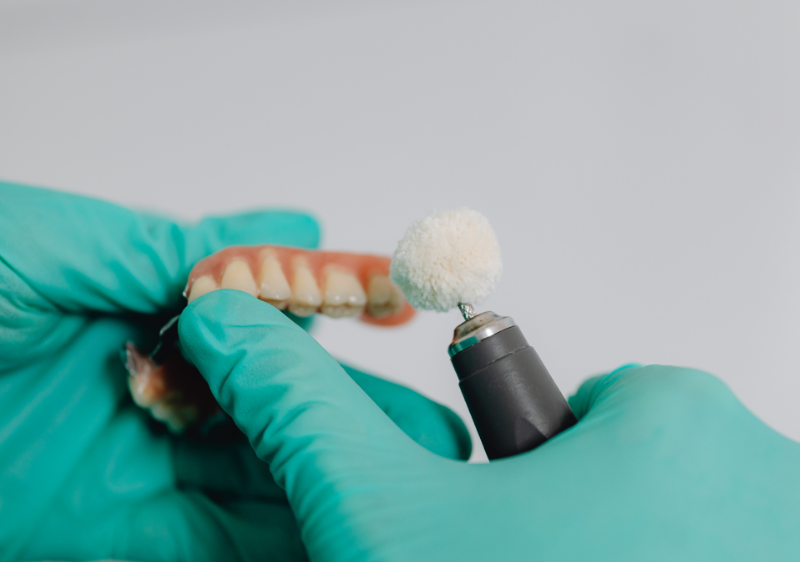
Dentures are removable appliances that replace missing teeth and surrounding tissue. They come in two forms: full dentures (replacing an entire arch) and partial dentures (filling in gaps between remaining natural teeth).
The Pros:
- Affordability: They are generally the most budget-friendly way to replace multiple missing teeth.
- Non-Invasive: No surgery is required (unless extractions are needed first).
- Speed: You can usually get dentures much faster than the months-long implant process.
The Cons:
- Maintenance: They must be removed and cleaned daily.
- Comfort Issues: They can occasionally slip, click, or cause sore spots if the fit isn’t perfect.
- Replacement Needed: Over time, your jawbone changes shape, meaning dentures usually need to be relined or replaced every 5–7 years.
Which One Should You Choose?
The “right” choice depends on your specific goals:
- Choose Implants if: You want a permanent, “set it and forget it” solution that feels exactly like your natural teeth and you have a healthy jawbone.
- Choose Dentures if: You need a more immediate, cost-effective solution or if you prefer to avoid surgery.
The Hybrid Option: Many patients today choose implant-supported dentures. These use a few strategically placed implants to “snap” a denture into place, giving you the stability of implants with the coverage of dentures.
The Bottom Line
Your smile is unique, and your treatment plan should be too. The best way to decide is to schedule a consultation with your dentist to evaluate your oral health and bone density.