






When you invest in a dental implant, you aren’t just buying a replacement tooth; you’re investing in a long-term solution for your smile. One of the most common questions patients ask is, “How long do dental implants last?”
The short answer is that dental implants are designed to be a permanent solution. Unlike dentures or bridges, which often need to be replaced every 5 to 10 years, a well-maintained dental implant can last 25 years or even a lifetime.
However, the longevity of your implant depends on several factors, from the materials used to your daily habits. Here is everything you need to know about the lifespan of dental implants and how to make yours last as long as possible.
Understanding the Parts of a Dental Implant
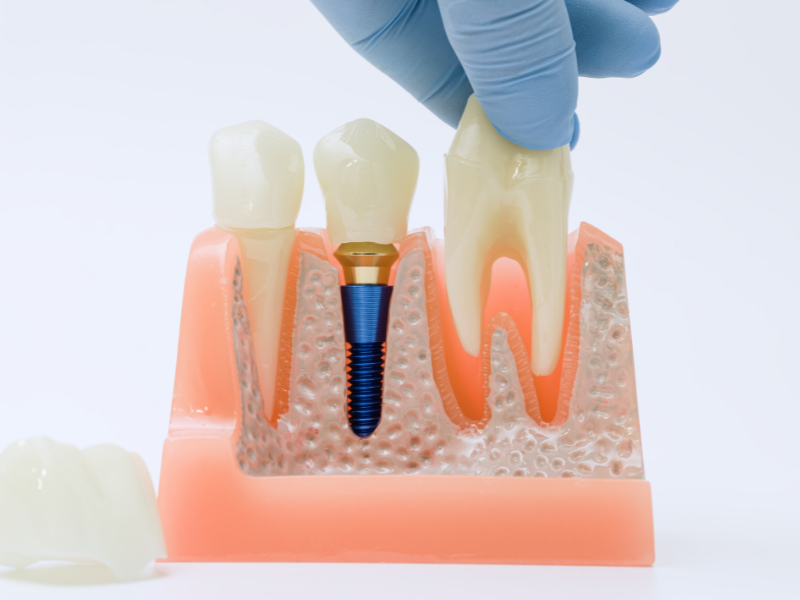
To understand how long an implant lasts, it helps to know that it is actually made of three distinct parts:
- The Implant Post: This is a titanium or zirconia screw that is surgically placed into your jawbone. It acts as an artificial root. Because it fuses with your bone through a process called osseointegration, this part is intended to last a lifetime.
- The Abutment: This is the connector piece that sits on top of the post and holds the replacement tooth in place.
- The Crown: This is the visible part of the tooth. Because the crown handles the “heavy lifting” of chewing and biting, it is subject to more wear and tear. A high-quality crown typically lasts between 10 and 15 years before needing a refresh.
Key Factors That Influence Longevity
While the success rate for dental implants is incredibly high—often cited at over 95%—certain factors can impact how long they stay healthy and functional.
1. Oral Hygiene Habits
This is the most significant factor within your control. Although the implant itself cannot decay like a natural tooth, the gums and bone surrounding it are still susceptible to infection. Poor hygiene can lead to peri-implantitis, a form of gum disease that can cause the implant to loosen or fail.
2. Bone Density and Overall Health
For an implant to be successful, it needs a strong foundation of jawbone. Conditions like uncontrolled diabetes or certain autoimmune disorders can slow down the body’s healing process and affect how well the bone fuses to the implant.
3. Lifestyle Choices
Smoking is one of the leading causes of implant failure. Nicotine restricts blood flow to the gums, which significantly hinders the healing process and increases the risk of infection.
4. Precision of Placement
The skill of your dental professional matters. Proper placement ensures that the biting forces are distributed evenly across the implant. If an implant is placed at an awkward angle or in an area with insufficient bone, it may fail prematurely.
How to Extend the Life of Your Dental Implants
Taking care of your dental implants isn’t much different from caring for your natural teeth. To maximize your investment, follow these simple steps:
- Brush and Floss Daily: Use a soft-bristled toothbrush and non-abrasive toothpaste. Flossing around the implant is crucial to removing plaque that hides beneath the gum line.
- Schedule Regular Check-ups: Visit your dentist every six months. Professional cleanings and X-rays allow your dentist to catch potential issues before they become serious problems.
- Avoid Hard Foods: While implants are strong, they aren’t indestructible. Avoid chewing on ice, hard candies, or using your teeth as tools to open packages.
- Wear a Nightguard if Necessary: If you have a habit of grinding your teeth (bruxism), the constant pressure can damage the crown or even the implant post. A custom-made nightguard can protect your smile while you sleep.
Are Dental Implants Worth the Investment?
When you compare the initial cost of a dental implant to other tooth replacement options, it may seem higher. However, because bridges and dentures require frequent replacements and adjustments, dental implants are often the most cost-effective solution in the long run.
By choosing a qualified specialist and maintaining a diligent oral care routine, you can enjoy a functional, beautiful smile for many decades to come.