





How Long Do Fillings Really Last? A Guide to Dental Longevity
If you’ve ever sat in the dentist’s chair to have a cavity treated, you’ve likely wondered how long that fix is going to stick. We tend to think of dental fillings as permanent solutions, but the reality is that they are more like tires on a car—they do a lot of heavy lifting, and eventually, they wear down.
Understanding the lifespan of a filling can help you stay ahead of potential dental issues and ensure your smile stays healthy for the long haul. Here is everything you need to know about how long fillings really last and what you can do to make them go the distance.
The Material Matters
The single biggest factor in how long a filling lasts is the material your dentist uses. Technology has come a long way, and today we have several options that balance aesthetics with durability.
- Amalgam (Silver) Fillings: These are the “old school” metal fillings. While they aren’t as popular today due to their dark color, they are incredibly tough. On average, amalgam fillings last 10 to 15 years, though many patients find they last significantly longer under the right conditions.
- Composite (Tooth-Colored) Resins: These are made from a mixture of plastic and glass. They look beautiful and blend in seamlessly with your natural teeth. Because the material is slightly less durable than metal, they typically last 7 to 10 years. However, modern bonding techniques are constantly improving these numbers.
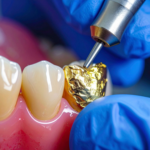
- Gold Inlays: If you want the marathon runner of fillings, gold is the answer. It is highly resistant to corrosion and can easily last 20 years or more. The trade-off, of course, is the higher cost and the visible gold color.
- Ceramic or Porcelain: These are often used for larger “onlays.” They are highly resistant to staining and usually last 15 years or more, providing a great middle ground between beauty and strength.
Why Do Fillings Eventually Fail?
It’s rarely a single event that causes a filling to fail; usually, it’s a combination of daily wear and tear. The most common culprits include:
Constant Pressure Every time you chew, you apply significant force to your teeth. Over years, this pressure can cause a filling to crack, chip, or pull away from the tooth. If you have a habit of grinding your teeth (bruxism), your fillings will likely have a shorter lifespan.
The “Leaking” Effect When the seal between the filling and the tooth breaks down, bacteria can seep underneath. This is known as “leaking.” Once bacteria get under a filling, a new cavity can form in a place that is very difficult to clean, often requiring the entire filling to be replaced.
Temperature Fluctuations Your mouth goes through extreme temperature changes daily—from hot coffee to ice water. This causes materials to expand and contract at different rates, which can eventually weaken the bond between the filling and your natural enamel.
Signs Your Filling Might Need Replacing
You shouldn’t wait for a filling to fall out completely before seeing a dentist. Keep an ear (and a tongue) out for these warning signs:
- Sensitivity: Sudden sensitivity to hot, cold, or sugary foods often indicates a gap or a crack.
- Sharp Edges: If you feel a jagged edge with your tongue, the filling may have chipped.
- Color Changes: If a tooth-colored filling starts to look dark or yellowed at the edges, it may be pulling away from the tooth.
- Constant Food Trapping: If you suddenly find that food is getting stuck in a place it never used to, the shape of the filling may have shifted.
How to Make Your Fillings Last Longer
While you can’t make a filling last forever, you can certainly extend its life with a few smart habits. Consistent oral hygiene is the foundation—brushing twice a day and flossing daily prevents the “leaking” mentioned above.
If you know you grind your teeth at night, wearing a custom-fitted mouthguard can add years to the life of your dental work. Finally, regular dental checkups are essential. A dentist can often spot a tiny crack or a weakening seal on an X-ray long before you feel any pain.
Final Thoughts
While most fillings will need to be replaced at some point in your life, choosing the right material and maintaining a solid routine can keep your smile intact for a decade or more. If it’s been a while since your last checkup, now is the perfect time to ensure your dental work is still in top shape.