




We’ve all heard it since we were kids: “Don’t eat too much candy, or your teeth will rot!” While it sounds like a classic parent scare tactic, the science behind it is actually pretty fascinating—and a little gross.
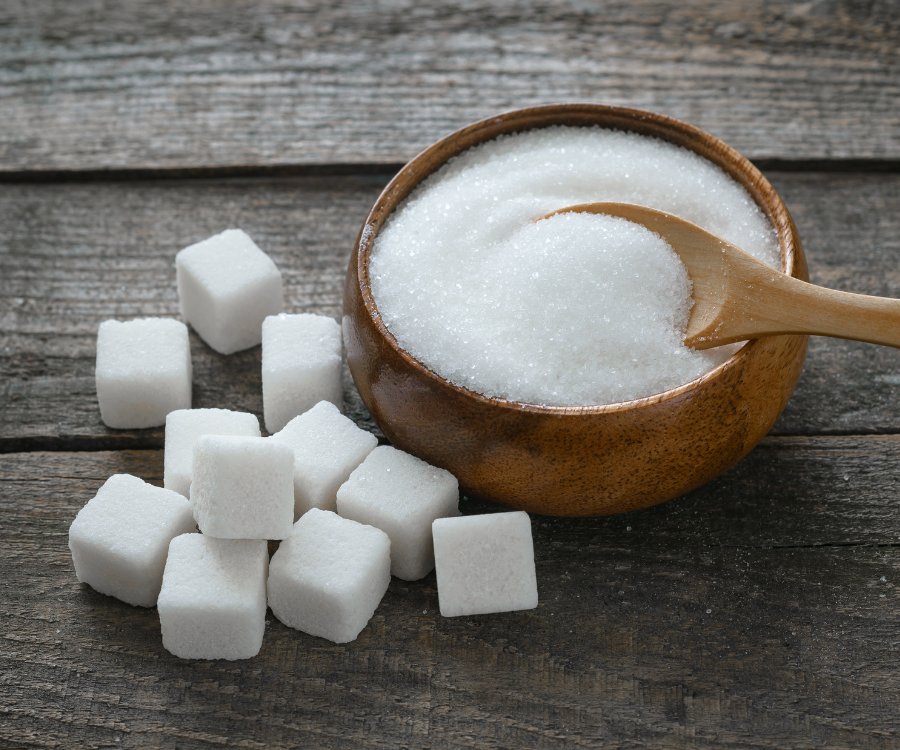
But here is the plot twist: Sugar doesn’t actually cause cavities. Wait, what? It’s true. Sugar itself isn’t the villain; it’s the fuel for the real culprit living inside your mouth. Let’s dive into what is actually happening every time you indulge in a sweet treat.
The Science of a “Sugar Attack”
Your mouth is home to hundreds of types of bacteria. Most are harmless, but some—specifically Streptococcus mutans—thrive on sugar.
When you eat a donut or sip a soda, you aren’t just feeding yourself; you’re hosting a buffet for these bacteria. As they digest the sugar, they produce acid as a byproduct. This acid is the real enemy. It begins to dissolve the minerals in your tooth enamel in a process called demineralization.
The Tug-of-War: Demineralization vs. Remineralization
Your mouth is constantly in a state of flux. It’s a battle between two forces:
- The Attack: Acid eats away at the calcium and phosphate that make your enamel hard.
- The Defense: Your saliva contains minerals and fluoride that help “rebuild” the enamel.
A cavity happens when the “attack” happens more often than the “defense” can keep up. If you’re snacking on sugary foods all day, your saliva never gets a chance to neutralize the acid, and the damage becomes permanent.
It’s Not Just About How Much Sugar
Believe it or not, the amount of sugar you eat isn’t as important as how long it stays in your mouth.
The Golden Rule: Frequency is more dangerous than quantity.
Eating a whole chocolate bar in five minutes is actually “better” for your teeth than sipping on one sugary soda over the course of three hours. Why? Because the soda provides a constant supply of fuel for bacteria, keeping your mouth in an acidic state for the entire afternoon.
The “Sticky” Offenders
Not all sweets are created equal. The worst offenders are those that linger:
- Gummy candies and dried fruit: These get stuck in the grooves of your molars.
- Hard candies: They take a long time to dissolve, bathing teeth in sugar.
- Starchy foods: Chips and white bread break down into simple sugars and paste themselves to your teeth.
How to Protect Your Smile (Without Giving Up Sweets)
You don’t have to live a sugar-free life to have healthy teeth. You just need a better strategy.
- Drink Water After Sweets: Rinsing with water helps wash away sugar particles and dilute the acid.
- Wait Before Brushing: This sounds counterintuitive, but acid softens your enamel. If you brush immediately after eating sugar, you might actually scrub away the softened enamel. Wait about 30 minutes for your saliva to do its job first.
- Use Fluoride: Fluoride is like a shield; it makes your enamel more resistant to acid attacks.
- Enjoy Sweets With Meals: Saliva production increases during a full meal, which helps protect your teeth.
The Bottom Line
Sugar is the spark, but acid is the fire. By understanding that your teeth need “rest periods” from sugar, you can enjoy your favorite treats without setting yourself up for a painful (and expensive) trip to the dentist.