





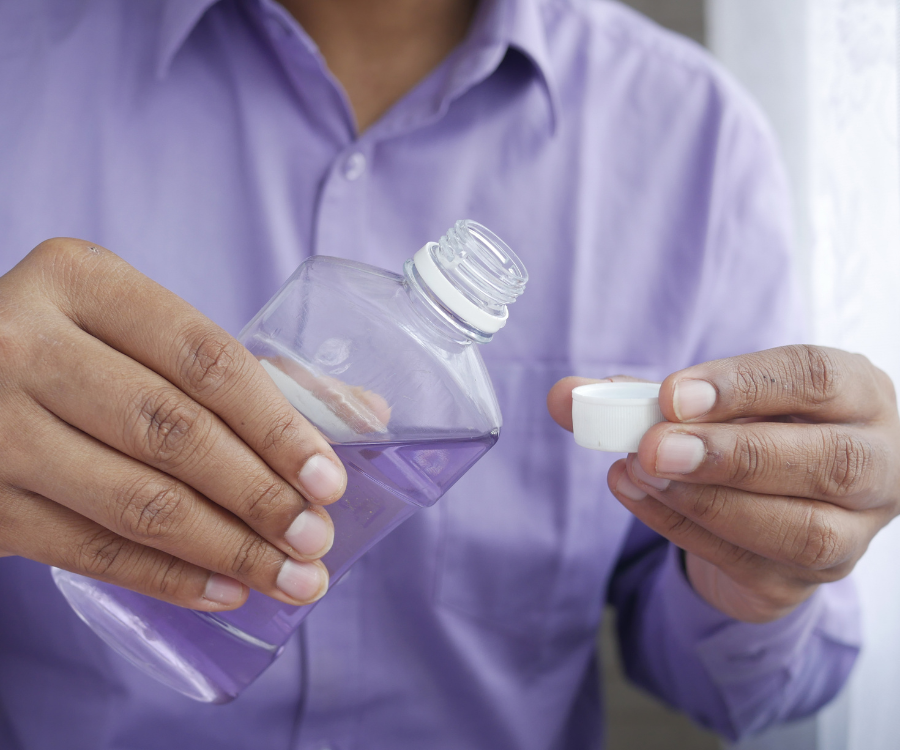
We’ve all been there: you finish brushing, reach for that bottle of bright blue liquid, and endure thirty seconds of “minty burn” to achieve that ultimate clean feeling. But have you ever wondered if that sting is actually doing more harm than good?
The debate over mouthwash has grown louder lately. Some dentists call it a non-negotiable step for oral hygiene, while others argue it’s an unnecessary—or even disruptive—addition to your routine.
Let’s dive into the science to see if your mouthwash is a hero or a villain.
The Benefits: When Mouthwash is a Helper
For many, mouthwash isn’t just about masking “morning breath.” It serves several therapeutic purposes that can genuinely improve your dental health.
- Fluoride Protection: Many over-the-counter rinses contain fluoride, which helps strengthen tooth enamel and provides an extra layer of defense against cavities.
- Gum Disease Prevention: Antimicrobial mouthwashes can reduce plaque buildup and help prevent gingivitis by killing bacteria that your toothbrush might have missed.
- Post-Surgical Care: After dental surgery, specialized rinses (often containing chlorhexidine) are essential for keeping the site clean when brushing is too painful or risky.
- Targeted Relief: Whether it’s for dry mouth (Xerostomia) or sensitive teeth, there are specific formulas designed to soothe tissues and provide long-lasting comfort.
The Drawbacks: When It Might Be Harmful
If mouthwash is so great, why the controversy? It usually comes down to ingredients and timing.
1. The “Nuke” Effect
Traditional mouthwashes are often antiseptic, meaning they are designed to kill bacteria. The problem? Your mouth has a delicate microbiome. Much like your gut, your mouth needs “good” bacteria to maintain health and help with digestion. Alcohol-heavy rinses can be indiscriminate, wiping out the good along with the bad.
2. The Drying Out Problem
High-alcohol mouthwashes can dry out the mucous membranes in your mouth. A dry mouth is actually a breeding ground for the very bacteria that cause bad breath, creating a vicious cycle where you use more product to fix a problem the product is helping create.
3. The “Brushing Wash-Away”
This is the most common mistake: rinsing immediately after brushing. If you use a high-quality fluoride toothpaste, you want that fluoride to sit on your teeth. Rinsing with mouthwash right after you brush washes away that concentrated fluoride and replaces it with a much weaker solution.
Choosing the Right Rinse
Not all mouthwashes are created equal. If you want to keep it in your routine, look for these features:
| Feature | Why It Matters |
| Alcohol-Free | Reduces irritation and prevents “dry mouth” issues. |
| CPC (Cetylpyridinium chloride) | Effective at killing germs without the harsh burn of alcohol. |
| pH Balanced | Keeps your mouth from becoming too acidic, which protects enamel. |
| Essential Oils | Ingredients like eucalyptol or menthol can provide antimicrobial benefits more gently. |
The Verdict: To Rinse or Not to Rinse?
Is mouthwash necessary? For most people with healthy teeth and gums, no. It’s an “extra credit” step. However, it can be a fantastic tool if you are prone to cavities or are battling gum inflammation.
The Golden Rule: If you use it, wait at least 30 minutes after brushing to let your toothpaste do its job. Alternatively, use mouthwash after lunch to freshen up and clear away food particles when you can’t get to a toothbrush.
Final Pro-Tip
If your mouthwash causes a painful burning sensation or leaves your mouth feeling parched, it’s time to swap it for an alcohol-free version. Your “good” bacteria will thank you!