





Tooth Sensitivity Explained: Causes and Solutions
Ever taken a refreshing sip of iced coffee or a spoonful of hot soup only to be met with a sharp, sudden flash of pain? If so, you’re in good company. Tooth sensitivity, or “dentin hypersensitivity,” affects millions of people, making everyday dining feel like a bit of a gamble.
The good news? You don’t have to just “live with it.” Understanding why your teeth are reacting this way is the first step toward enjoying your favorite foods again.
What Exactly is Tooth Sensitivity?
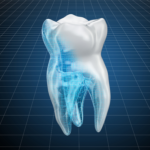
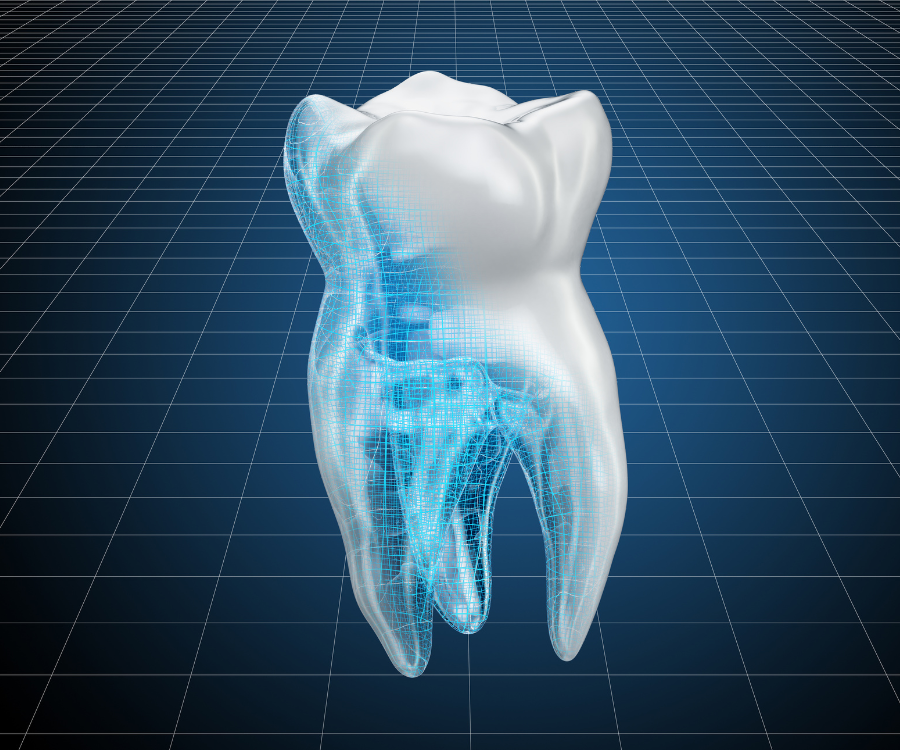
To understand the pain, we have to look at the anatomy of your tooth. Beneath the hard outer enamel lies a porous layer called dentin.
Dentin contains thousands of microscopic tubules (tiny channels) that lead directly to the tooth’s pulp—where the nerves live. When the enamel thins or the gum line recedes, these tubules are exposed. Hot, cold, acidic, or sweet triggers travel through these channels to hit the nerve, resulting in that “zing” of pain.
Common Causes: Why Does It Hurt?
There isn’t always one single culprit. Often, sensitivity is the result of several factors working together:
- Aggressive Brushing: Scrubbing too hard or using a hard-bristled toothbrush can wear down enamel over time.
- Gum Recession: If your gums shrink back (due to age or gum disease), the sensitive tooth roots become exposed. Roots don’t have enamel to protect them!
- Acidic Diet: Frequent consumption of soda, citrus fruits, and sports drinks can chemically erode your tooth’s protective layer.
- Tooth Grinding (Bruxism): Clenching or grinding your teeth can lead to microscopic cracks and enamel wear.
- Recent Dental Work: It’s normal to feel temporary sensitivity after a filling, crown, or professional whitening treatment.
Simple Solutions for Relief
The path to pain-free eating usually involves a mix of at-home care and professional help.
1. Switch Your Toothpaste
Look for toothpaste specifically labeled for sensitive teeth. These contain compounds like potassium nitrate or stannous fluoride that help block the pathways to the nerve.
Pro Tip: Don’t expect instant results. It usually takes about two weeks of consistent use to build up a protective barrier.
2. Check Your Technique
Swap your hard toothbrush for a soft-bristled one. Use gentle, circular motions rather than sawing back and forth. Think of it as massaging your teeth rather than scrubbing a floor.
3. Watch the Acid
You don’t have to give up oranges or coffee entirely, but try to rinse your mouth with water afterward. This helps neutralize the acid before it can soften your enamel.
4. Talk to Your Dentist
If at-home methods aren’t cutting it, your dentist has a “heavy-duty” toolkit:
- Fluoride Varnishes: Highly concentrated fluoride applied in-office to strengthen enamel.
- Bonding Agents: Used to cover exposed root surfaces.
- Night Guards: If grinding is the issue, a custom guard can prevent further damage.
When Should You Be Worried?
While general sensitivity is common, localized or throbbing pain can signal something more serious, like a cavity, a cracked tooth, or a failing filling. If the pain persists for more than a few days or feels like a dull ache rather than a sharp flash, it’s time to book an appointment. Your smile is worth the extra care!