





Why Dry Mouth is Becoming More Common (And What to Do About It)
If you’ve been waking up lately feeling like your mouth is filled with cotton, or finding yourself reaching for a water glass every five minutes, you are far from alone.
Ask any dentist today, and they’ll tell you the same thing: dry mouth is on the rise.
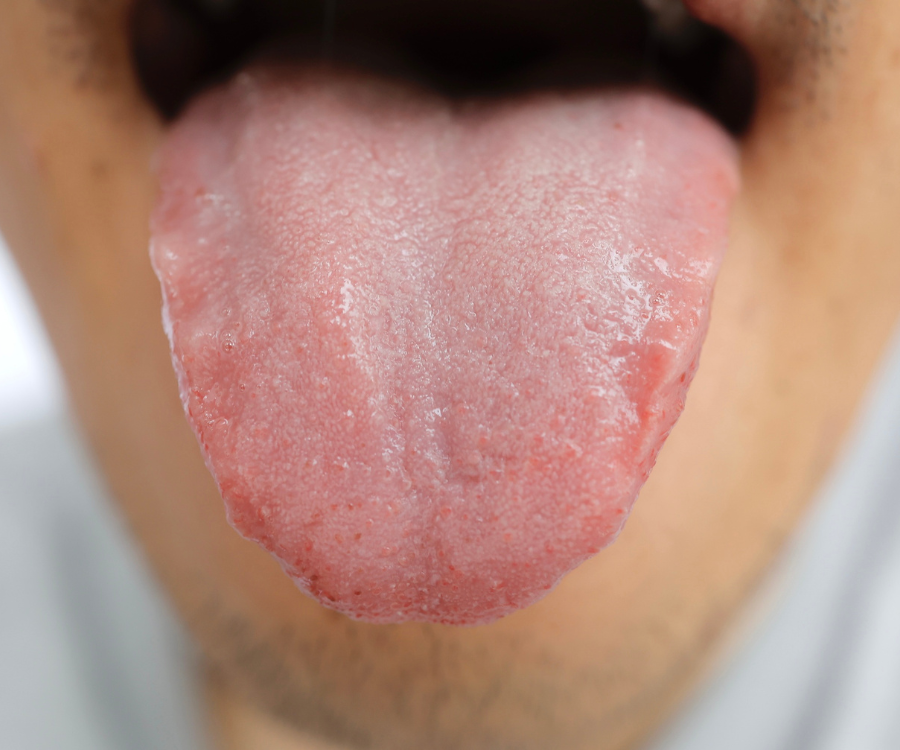
Known clinically as xerostomia, dry mouth is much more than a minor annoyance. It’s a genuine dental health concern that can lead to bad breath, cavities, and gum disease. But why is this suddenly becoming such a widespread issue?
Let’s break down the modern culprits behind the dry mouth epidemic and how you can protect your smile.
1. The Medications We Take
The single biggest driver behind the spike in dry mouth cases is prescription and over-the-counter medication. As healthcare advances, more people have access to treatments that improve their quality of life—but their salivary glands pay the price.
More than 400 common medications list dry mouth as a primary side effect, including:
- Antidepressants and anxiety medications
- Antihistamines and allergy pills
- Blood pressure medications
- Decongestants and muscle relaxants
If you are taking multiple daily medications (a trend that naturally increases as we age), the drying effects compound, leaving your mouth vulnerable.
2. The Great “Dehydration Nation”
Despite the popularity of trendy, oversized water bottles, a staggering number of people live in a state of chronic, mild dehydration.
Our modern diets don’t help. We rely heavily on diuretics—substances that actively flush water out of the body. Your morning iced coffee, afternoon energy drink, and evening glass of wine all contribute to systemic dehydration. When your body is starved for fluids, saliva production is one of the very first non-essential functions it dials back.
3. Stress, Anxiety, and “Mouth Breathing”
The modern world is stressful, and your body reacts to chronic stress in unexpected ways. When you are anxious or overwhelmed, your nervous system triggers a “fight or flight” response. This naturally slows down digestion and halts saliva production (think about how your mouth goes dry right before giving a big presentation).
Furthermore, high stress and nasal congestion lead to chronic mouth breathing, especially at night. Breathing through your mouth evaporates whatever precious saliva you are producing, leaving you with that dreaded desert-like feeling every morning.
4. The Rise of Vaping and E-Cigarettes
While traditional smoking has declined, vaping has surged—especially among younger demographics.
E-cigarettes utilize aerosol liquids that typically contain propylene glycol (PG) and vegetable glycerin (VG). Propylene glycol is a hygroscopic chemical, meaning it actively absorbs and holds onto moisture. When you inhale vape vapor, it literally sucks the moisture right out of your oral tissues, leading to severe, chronic dry mouth.
Why Saliva Matters (More Than You Think)
Saliva isn’t just spit; it’s your mouth’s natural defense system. It acts as a continuous rinse cycle for your teeth and gums.
| What Saliva Does | What Happens Without It |
| Neutralizes Acids: Balances the pH level in your mouth after eating. | Acid Damage: Enamel erodes faster, leading to rapid cavity formation. |
| Washes Away Food: Clears debris and sugars from tooth surfaces. | Plaque Buildup: Bacteria feast on leftovers, causing severe bad breath. |
| Fights Bacteria: Contains natural enzymes that keep oral infections at bay. | Gum Disease: Higher risk of gingivitis, mouth sores, and thrush. |
How to Get Your Flow Back
You don’t just have to live with the discomfort. Here are a few dentist-approved strategies to jumpstart your saliva production:
- Sip, Don’t Chug: Keep a water bottle with you and take small, frequent sips throughout the day to keep oral tissues hydrated.
- Chew Xylitol Gum: Chewing stimulates saliva glands. Look for gums or mints containing xylitol, a natural sugar substitute that actually fights cavity-causing bacteria.
- Use a Hydrating Mouthwash: Ditch alcohol-based mouthwashes (which dry you out further) and switch to a rinse formulated specifically for dry mouth.
- Invest in a Humidifier: Running a cool-mist humidifier in your bedroom at night can counteract the drying effects of mouth breathing.
- Talk to Your Doctor: If a medication is the root cause, never stop taking it abruptly. Instead, ask your doctor if there is an alternative drug or if your dosage can be adjusted.
The Bottom Line
Dry mouth is a modern problem, but it has concrete solutions. If you’ve noticed a persistent lack of moisture in your mouth, don’t wait for cavities to start forming before you take action. Mention it at your next dental checkup so your dentist can help you tailor a plan to keep your smile safe, fresh, and healthy.