






A Parent’s Guide to Common Dental Issues in Children
Watching your child grow is a journey filled with milestones—from their first steps to their first words. But as those tiny teeth start to peek through, new responsibilities arise. Maintaining a child’s oral health is about more than just a bright smile; it’s the foundation for their overall well-being and confidence.
Because children are still learning how to brush and often have a natural affinity for sweets, they are prone to specific dental challenges. Here is a look at the most common dental issues in children and how you can manage them.
1. Tooth Decay (Cavities)
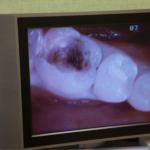
Cavities are perhaps the most frequent hurdle in pediatric dentistry. Since primary (baby) teeth have thinner enamel than permanent teeth, they are much more susceptible to decay.
- The Cause: Plaque buildup from sugary snacks and drinks produces acids that eat away at the enamel.
- The Fix: Ensure your child brushes twice a day with fluoride toothpaste and flosess daily. Regular dental check-ups are essential to catch soft spots before they become full-blown cavities.
2. Gum Disease (Gingivitis)
Many parents are surprised to learn that gum disease isn’t just an adult problem. In children, it usually manifests as gingivitis—the early stage of gum disease.
- Signs to Watch For: Red, swollen, or bleeding gums during brushing.
- Prevention: Often, gingivitis in kids is caused by poor oral hygiene. Encouraging a thorough brushing technique and cleaning along the gum line can usually reverse the symptoms.
3. Thumb Sucking and Pacifier Use
While thumb sucking is a natural comfort reflex for infants, prolonged habits can lead to “buck teeth” or alignment issues as the permanent teeth begin to emerge.
- The Impact: It can affect the shape of the roof of the mouth and how the upper and lower teeth line up (the bite).
- Advice: Most children stop these habits on their own between ages 2 and 4. If the habit persists beyond that, consult your dentist about gentle ways to encourage your child to stop.
4. Early Tooth Loss
Whether due to an accident during play or advanced decay, losing a baby tooth too early can cause “crowding” later on.
- Why It Matters: Baby teeth act as placeholders for permanent teeth. If one is lost too soon, neighboring teeth may tilt or shift into the empty space.
- Solution: Dentists often recommend a space maintainer—a small device that keeps the gap open until the adult tooth is ready to erupt.
5. Sensitive Teeth
If your child winces when eating cold ice cream or hot soup, they may have sensitive teeth.
- Potential Causes: Sensitivity can be caused by newly erupted teeth, enamel erosion, or even undiagnosed cavities.
- Next Steps: Use a soft-bristled brush and talk to your dentist to rule out any underlying issues that might be thinning the enamel.
Tips for a Lifetime of Healthy Smiles
- Lead by Example: Let your children see you brushing and flossing. They love to mimic what the “grown-ups” do!
- Watch the Sugar: Swap out gummy candies and sodas for crunchy vegetables, cheese, and water.
- The “First Visit” Rule: Experts recommend a child see a dentist by their first birthday or when their first tooth appears.
Conclusion Dental health is a team effort. By staying proactive and making oral hygiene a fun, non-negotiable part of the daily routine, you’re giving your child a gift that lasts a lifetime: a healthy, happy smile.
FAQ: Frequently Asked Questions
- When should my child start using fluoride toothpaste? For children under 3, use a tiny “smear” of fluoride toothpaste. For children aged 3 to 6, a pea-sized amount is recommended.
- Are baby teeth really that important if they’re going to fall out anyway? Yes! They are vital for chewing, clear speech, and guiding permanent teeth into the correct position.