





With high-tech electric toothbrushes, ultrasonic cleaners, and water irrigators filling store shelves, it is easy to wonder if traditional string floss is becoming obsolete.
The short answer? No. Even with all of today’s dental technology, daily flossing remains an irreplaceable foundation of oral hygiene. Brushing alone leaves nearly 40% of your tooth surfaces untouched, making interdental cleaning essential for long-term oral and systemic health.
1. Brushing Only Cleans 60% of Your Teeth
Your toothbrush does a fantastic job on the front, back, and chewing surfaces of your teeth. However, bristles simply cannot bend into the tight contact points where two adjacent teeth press together.
When food particles and saliva mix in those hidden gaps, bacteria quickly multiply into a sticky film known as dental plaque biofilm. Over time, unremoved plaque hardens into tartar (calculus), which cannot be brushed away at home and requires professional removal.
2. String Floss vs. Water Flossers: The Mechanical Advantage
Water flossers (oral irrigators) are more popular than ever, and they excel at flushing loose food debris and bacteria out of deep gum pockets. However, dentists consistently emphasize that water pressure and physical string serve two distinct purposes.
| Feature | String Floss | Water Flosser |
| Primary Mechanism | Physical friction & scraping | Hydraulic pressure & flushing |
| Best For… | Removing stubborn, sticky biofilm | Braces, implants, bridges, dexterity issues |
| Tight Contacts | Slides directly between tight teeth | Flushes around gaps & pockets |
| Portability | Ultra-compact, needs no power/water | Requires reservoir & charging |
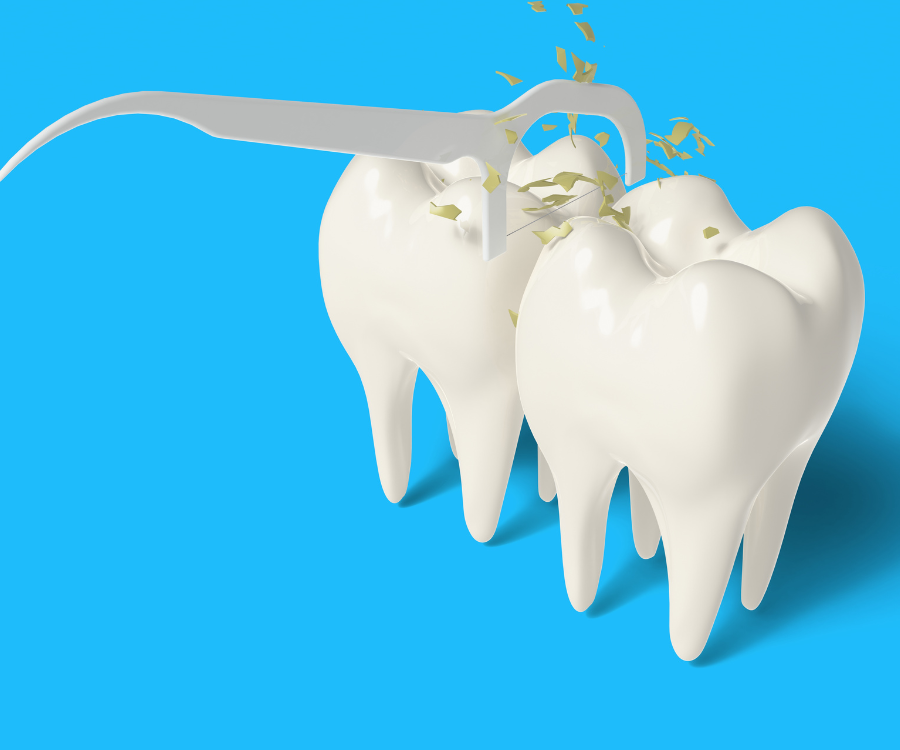
- The ideal setup: Use string floss to mechanically scrape the sticky biofilm off smooth tooth surfaces, followed by a water flosser to flush out hidden debris and massage the gums.
3. The Mouth-Body Connection: Beyond Just Cavities
Flossing isn’t just about avoiding a cavity; it is a critical gatekeeper for your overall health.
- Preventing Gingivitis & Periodontitis: Plaque accumulating along the gumline causes chronic inflammation, leading to bleeding, tender gums, and eventual bone loss.
- Systemic Health Impact: Research continues to highlight the link between periodontal inflammation and systemic health conditions, including cardiovascular disease, diabetes management, and elevated systemic markers. Reducing oral bacteria directly lowers systemic bacterial stress.
- Fighting Halitosis (Bad Breath): Odor-causing bacteria thrive in anaerobic spaces between teeth. Flossing disrupts these bacterial colonies far better than mouthwash alone.
4. Preventive Care Saves Thousands in Dental Bills
Interdental decay (cavities formed between teeth) often progresses unnoticed until it reaches the inner pulp, requiring extensive treatments like root canals, crowns, or extractions.
Investing two minutes a day in a spool of dental floss is one of the most cost-effective habits you can build. Proactive daily flossing protects existing fillings, crowns, and implants from recurrent decay along restoration margins.
How to Get the Most Out of Flossing
To maximize efficiency and protect your gums from trauma, follow these core practices:
- Floss Before Brushing: Cleaning between teeth first loosens plaque and debris, allowing the fluoride in your toothpaste to penetrate between teeth during brushing.
- Use the “C-Shape” Technique: Don’t just snap the floss up and down. Curve the floss into a “C” shape around the side of each tooth and gently glide beneath the gumline.
- Choose the Right Tool: If traditional string feels cumbersome, try waxed floss, ergonomic floss picks, or interdental brushes for wider gaps.