






Why More Adults Are Straightening Their Teeth
Walk into almost any orthodontic clinic today, and the waiting room looks noticeably different than it did twenty years ago. Alongside teenagers in colorful bands, you will find software engineers, teachers, retirees, and new parents. According to the American Association of Orthodontists, roughly one in three orthodontic patients is now an adult—a record high that continues to climb.
Straightening teeth is no longer viewed as a rite of passage reserved for middle school. Driven by discreet technology, shifting workplace culture, and a deeper understanding of long-term oral health, millions of adults are choosing to invest in their smiles later in life.
1. Discreet Treatment Options Removed the “Metal Mouth” Stigma
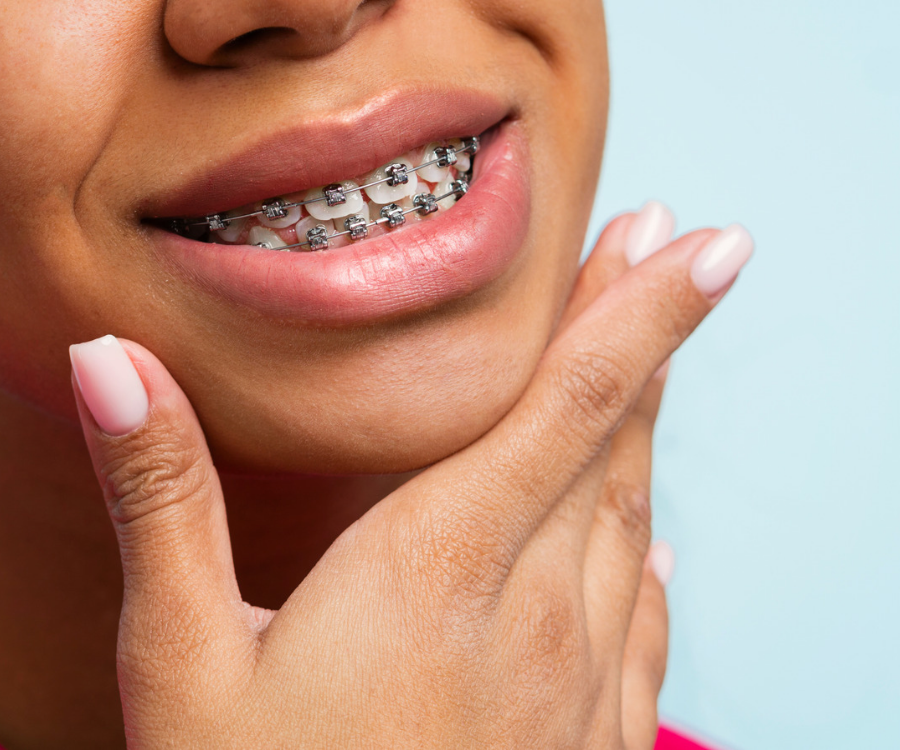
For decades, the primary barrier for adults considering orthodontics was aesthetic. Traditional stainless-steel brackets and wires felt incompatible with client meetings, weddings, and professional milestones.
Modern orthodontic technology has largely eliminated that concern:
- Clear Aligners: Custom-molded, transparent plastic trays (such as Invisalign and similar systems) straighten teeth gradually without brackets or wires. They are virtually invisible in person and on camera, and they can be removed for eating, brushing, and flossing.
- Ceramic Braces: Tooth-colored or translucent brackets blend naturally with enamel, offering the precision of traditional braces with a much lower visual profile.
- Lingual Braces: Bonded to the back (tongue-facing) surfaces of the teeth, lingual braces are completely hidden from view while working continuously behind the scenes.
2. The “Zoom Effect” and Digital Self-Awareness
Remote work and video conferencing fundamentally changed how people view themselves. Spending hours each week looking at your own face on a screen highlights subtle dental shifts—such as lower-front crowding or a slightly canted smile—that are easy to overlook in a bathroom mirror.
Paired with high-resolution smartphone cameras and social media, everyday digital communication has made adults far more conscious of facial symmetry and dental alignment. Rather than relying on photo filters, many are opting for a permanent, real-world fix.
3. Better Oral Health—Not Just Better Aesthetics
While a confident smile is often the initial spark, functional health is what convinces many adults to commit to treatment. Crowded, overlapping, or misaligned teeth are significantly harder to keep clean, creating tight spaces where plaque and tartar accumulate.
Correcting alignment delivers measurable health benefits:
- Lower Risk of Decay and Gum Disease: Straight teeth are easier to brush and floss thoroughly, reducing the likelihood of cavities, gingivitis, and periodontitis.
- Reduced Enamel Wear and Jaw Strain: A misaligned bite (malocclusion) distributes chewing forces unevenly. Over time, this leads to chipped edges, premature enamel erosion, chronic headaches, and temporomandibular joint (TMJ) discomfort.
- Stronger Foundation for Restorative Work: Dentists frequently recommend short-term orthodontic alignment before placing veneers, crowns, or dental implants so that restorations fit properly and last longer.
4. Relapse From Childhood Braces
A surprising number of adult orthodontic patients have actually had braces before. Teeth naturally shift throughout adulthood due to normal aging, jaw growth changes, and daily biting forces—a process known as mesial drift.
If a patient stopped wearing their retainer years after teenage treatment, crowding often returns. Because the foundation was already established earlier in life, correcting orthodontic relapse typically requires a shorter, more straightforward treatment plan than starting from scratch.
5. Faster Treatment Times and Flexible Financing
Advances in 3D digital scanning, AI-assisted treatment planning, and gentle, continuous-force wires have made adult orthodontics more efficient and comfortable than ever before.
- Fewer Office Visits: Digital monitoring tools allow orthodontists to track progress remotely between appointments, saving busy professionals hours of commuting and waiting-room time.
- Predictable Timelines: Many mild-to-moderate adult alignment cases can be completed in 6 to 18 months, compared to the two-to-three-year timelines common in the past.
- Accessible Payment Options: Most practices offer interest-free monthly payment plans, and many dental insurance policies and Health Savings Accounts (HSAs) or Flexible Spending Accounts (FSAs) can be applied toward adult orthodontic care.
6. Longer Lifespans and a Focus on Preventative Wellness
People are living longer, working longer, and keeping their natural teeth well into their seventies, eighties, and beyond. Within that context, spending a year aligning your teeth at age 35, 45, or 60 is no longer seen as vanity—it is viewed as preventative maintenance, much like physical therapy, strength training, or regular skin care.
Frequently Asked Questions About Adult Orthodontics
Am I too old to get braces or clear aligners? No. Healthy teeth can be moved at any age. As long as your gums and supporting bone tissue are healthy, orthodontic treatment works just as effectively at 65 as it does at 16.
How long does adult orthodontic treatment take? Most adult treatments take between 6 and 24 months, depending on the complexity of the bite issue and the type of appliance used. Minor spacing or relapse cases often finish in under a year.
Do clear aligners work as well as traditional braces? For mild to moderate crowding, spacing, and bite adjustments, clear aligners are just as effective as braces—provided you wear them for the recommended 20 to 22 hours per day. Severe rotations or complex vertical bite corrections may still respond best to fixed braces.
Does straightening teeth as an adult hurt? You can expect mild pressure or soreness for two to three days after starting treatment or switching to a new aligner tray. Modern low-force wires and smooth polymer aligners cause significantly less irritation than older orthodontic hardware.