





Why Do I Still Get Cavities Even Though I Brush Twice a Day?
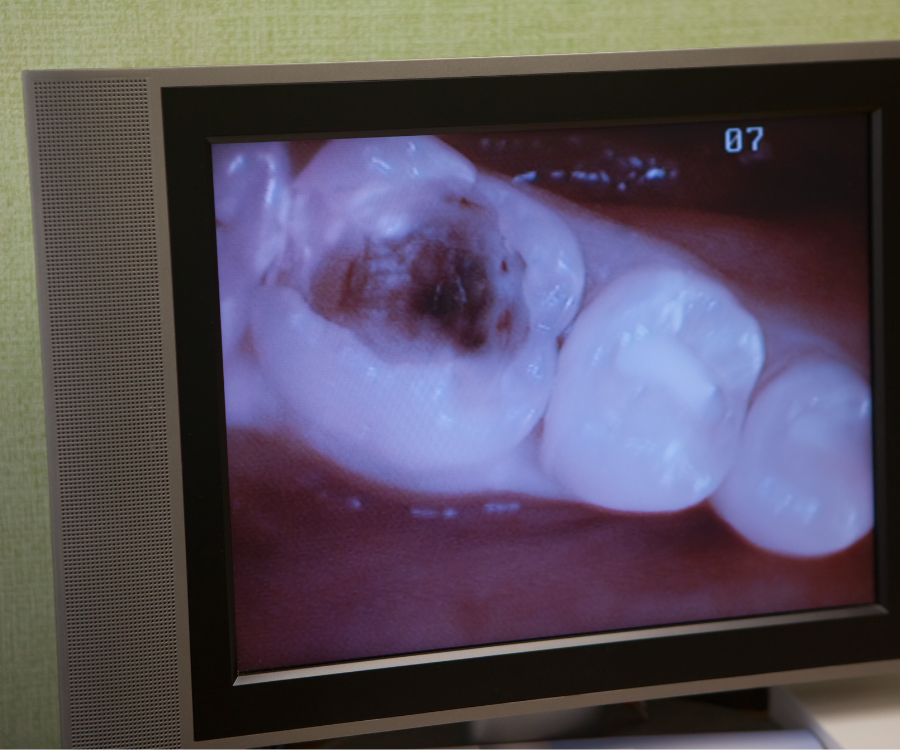
Few things in adult life feel quite as unfair as sitting in a dental chair, listening to the sharp scrape of an explorer tool, and hearing the dentist say: “Looks like we have a new cavity.”
You brush every morning and night. You use fluoride toothpaste. You might even be the person who diligently times two minutes on an electric toothbrush. Meanwhile, a friend or partner who occasionally “forgets” to brush before falling asleep has never had a single filling.
Tooth decay is not simply a disciplinary failure. Brushing removes surface plaque, but brushing alone accounts for only a fraction of the biological calculus that determines whether enamel dissolves or stays intact.
Dental caries is an active, multifactorial bacterial disease. Understanding the underlying drivers explains why cavities develop despite disciplined oral hygiene—and what changes actually move the needle.
1. The Real Chemistry of Tooth Decay: Frequency Beats Volume
A common myth is that cavities happen because sugar sits on your teeth like grease on a dirty dish. In reality, cavities are caused by acid spikes produced by your oral microbiome.
Every time fermentable carbohydrates (sugars, crackers, sodas, dried fruit, chips) enter your mouth, specific bacteria like Streptococcus mutans metabolize them and excrete acid as a byproduct. When your oral pH drops below the critical threshold of 5.5, calcium and phosphate ions leach out of your enamel—a process called demineralization.
It takes healthy saliva roughly 20 to 30 minutes to buffer those acids and return your mouth to a safe, neutral pH.
- The Problem: If you sip a latte with milk or sugar over two hours, or graze on pretzels at your desk throughout the afternoon, your teeth stay in a constant bath of demineralizing acid for hours.
- The Takeaway: Eating three pieces of chocolate all at once at dinner causes significantly less cavity damage than sipping on one sweetened iced tea or munching crackers intermittently across five hours, regardless of how thoroughly you brush at 10 PM.
2. Saliva Quality and the “Dry Mouth” Vulnerability
Saliva is your mouth’s primary natural defense mechanism. It does three essential jobs:
- It mechanically rinses food debris away from tooth margins.
- It contains bicarbonate to neutralize bacterial acids rapidly.
- It supplies the free calcium, phosphate, and fluoride required for remineralization (rebuilding weakened enamel crystals).
When salivary flow slows, cavity susceptibility skyrockets. Even mild, unnoticeable reductions in saliva can leave enamel defenseless.
| Primary Cause | Why It Drives Cavity Formation |
| Medications (Over 400 common drugs) | Antihistamines, antidepressants (SSRIs), ADHD stimulants, blood pressure meds, and diuretics list xerostomia (dry mouth) as a primary side effect. |
| Mouth Breathing & Sleep Apnea | Breathing through your mouth overnight completely dries the oral cavity, creating an 8-hour window where bacterial acids go unbuffered. |
| Chronic Dehydration & Caffeine Intake | High caffeine consumption paired with low water intake reduces both salivary volume and its mineral concentration. |
3. The 35% You Are Missing: Interdental Cleaning
A standard toothbrush—manual or sonic—cleans the buccal (front), lingual (back), and occlusal (chewing) surfaces. It cannot physically penetrate the tight contact points where adjacent teeth meet.
Those contact surfaces account for roughly 35% to 40% of total tooth surface area. If you brush thoroughly twice a day but skip flossing or interdental brushes, you are effectively leaving more than a third of your teeth unwashed every single day. Most “mystery” adult cavities begin as interproximal decay right between the back molars.
4. Enamel Genetics and Tooth Anatomy
Genetics do not directly cause cavities, but they dictate the physical landscape of your teeth:
- Deep Pits and Fissures: Some people naturally have molars with deep, microscopic grooves. These microscopic valleys are narrower than a single toothbrush bristle. Food particles and bacteria lodge inside where bristles cannot reach, making preventative sealants or fluid rinses essential.
- Enamel Thickness and Mineral Density: Conditions like enamel hypoplasia or variations in the AMELX gene (which encodes amelogenin, a major tooth enamel protein) result in naturally thinner or softer enamel that dissolves faster under identical acid exposures.
- Crowding and Misalignment: Overlapping teeth create shielded pockets where plaque thrives undisturbed by regular brush strokes.
5. Systemic and Gastrointestinal Acid Exposure
Acids that dissolve enamel do not only originate from snacks; they frequently come from within:
- Silent Acid Reflux (GERD / LPR): Stomach acid has a pH between 1.5 and 2.0—drastically lower than the 5.5 critical threshold. Laryngopharyngeal reflux often occurs quietly while sleeping, washing over the lingual surfaces of upper molars and thinning enamel without obvious heartburn symptoms.
- Dietary Acid Overload: Sparkling water, kombucha, energy drinks, and lemon water may have zero sugar, but their inherent chemical acidity (often pH 2.5 to 3.5) softens enamel directly. Brushing immediately after consuming them actually accelerates wear by scrubbing away weakened outer minerals.
Actionable Steps to Protect Cavity-Prone Teeth
If diligent brushing has not stopped the cycle, shift focus from scrubbing harder to managing oral chemistry:
- Space Out Carbohydrates: Confine sweet or starchy foods to main mealtimes. Drink water immediately after eating to speed up acid clearance.
- Clean Between Daily: Use unwaxed floss, expanding floss, or interdental brushes once every 24 hours to clear interproximal contact zones.
- Upgrade Enamel Remineralizers: Talk to your dentist about prescription high-fluoride toothpaste (5,000 ppm) or toothpastes formulated with nano-hydroxyapatite (n-HAp), which directly replenishes the synthetic building blocks of natural enamel.
- Don’t Rinse After Brushing: Spit out excess toothpaste, but avoid rinsing with water right away. Leaving a thin residual layer of active ingredients on your teeth gives them time to absorb into the enamel matrix.
- Wait 30 Minutes Before Brushing After Acid: After coffee, soda, citrus, or wine, rinse with plain water and wait at least half an hour before brushing so saliva can re-harden the softened enamel layer.
Brushing is the foundation of oral health, but preventing decay requires maintaining a neutral oral pH, preserving salivary flow, and addressing interdental plaque. When those biological factors are in balance, your daily routine can finally do its job.