





What Your Tongue Can Tell You About Your Health
When you brush your teeth in the morning, sticking out your tongue might not be high on your priority list. Yet clinicians and dentists frequently check this muscle first during routine checkups. Your tongue serves as an early indicator of systemic wellness, offering clues about nutrient deficiencies, oral hygiene habits, immune responses, and metabolic shifts.
What Does a Healthy Tongue Look Like?
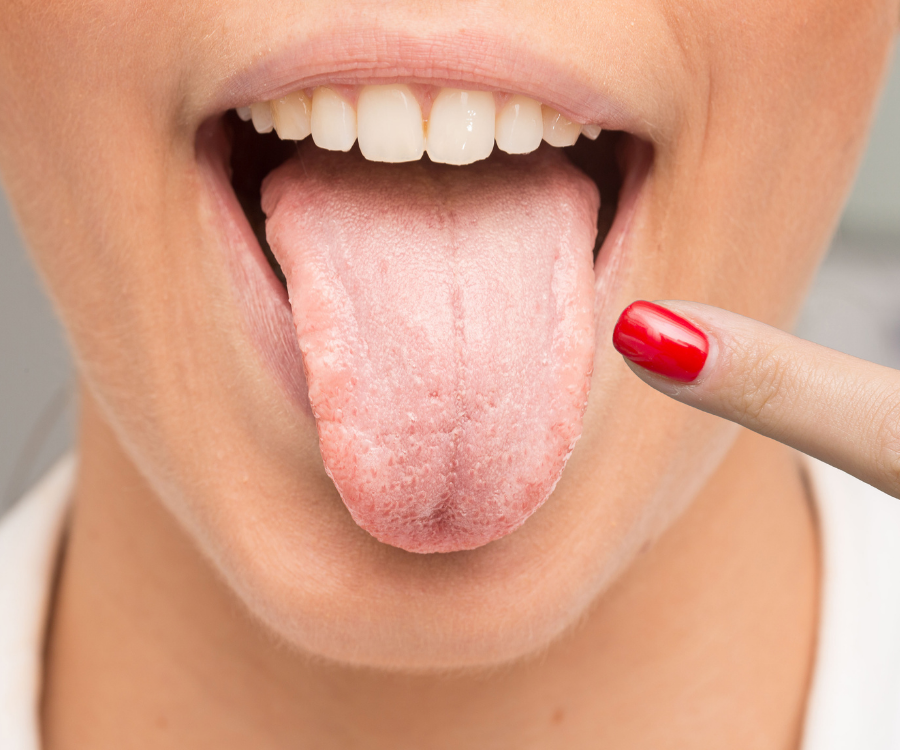
A standard, healthy tongue shares three key features:
- Color: Consistent light-to-medium pink across the surface.
- Texture: Covered with tiny nodules called papillae, giving it a slightly rough, velvety feel.
- Coating: A thin, transparent-to-light whitish film that easily washes away with normal brushing and hydration.
If your tongue veers away from this baseline in color, surface texture, or sensation, your body may be signaling an underlying issue.
Decoding Tongue Colors
| Color Presentation | Likely Causes | What It Means |
| Thick White Coating / Patches | Oral thrush (Candida), dehydration, poor oral hygiene, leukoplakia | Creamy white patches that wipe off leaving red tissue often point to yeast overgrowth. Flat white patches that cannot be scraped away (leukoplakia) require prompt dental evaluation. |
| Bright Red / “Strawberry” Tongue | Vitamin B12 or folate deficiency, scarlet fever, Kawasaki disease | A swollen, intensely red tongue with enlarged papillae can indicate acute infections or severe nutritional gaps affecting red blood cell production. |
| Black & Hairy | Dead skin cell and bacterial buildup on elongated papillae | Looks alarming, but it is typically harmless. Often triggered by heavy smoking, excessive coffee consumption, dry mouth, or recent antibiotic therapy. |
| Pale or Washed Out | Iron-deficiency anemia, low hemoglobin | Reduced circulating hemoglobin leads to pallor in the mucous membranes, often accompanied by general fatigue and cold intolerance. |
| Yellowish Hue | Bacterial overgrowth, digestive reflux, jaundice | Usually stems from trapped food particles and poor oral hygiene, but in rare cases indicates liver or gallbladder issues if accompanied by yellowing eyes. |
Changes in Texture and Surface Structure
Color is only half the picture. The physical contour and sensation of your tongue provide distinct diagnostic indicators:
- Geographic Tongue (Benign Migratory Glossitis): Characterized by smooth, red “islands” bordered by white edges that shift position over days or weeks. While it can cause mild sensitivity to spicy or acidic foods, it is harmless and non-contagious.
- Fissured Tongue: Deep grooves or cracks along the dorsal surface. Often hereditary or related to aging, these fissures pose no direct harm but trap food debris, requiring diligent cleaning to prevent localized irritation.
- Scalloped Edges: Wavy, indented borders along the sides of the tongue often result from the tongue pressing against the teeth. Frequent causes include teeth grinding (bruxism), chronic mouth breathing, sleep apnea, or temporary swelling from hypothyroidism.
- Persistent Canker Sores & Ulcers: Common aphthous ulcers generally resolve within 7 to 10 days. Any persistent, painless lump, sore, or red/white ulcer that lasts longer than two weeks should be evaluated by a healthcare professional to rule out oral cancer.
Daily Habits for a Clean, Healthy Tongue
Keeping your tongue clean reduces volatile sulfur compounds responsible for chronic halitosis and supports your oral microbiome:
- Scrape or Brush Daily: Use a dedicated tongue scraper or your toothbrush to gently clean from the back base toward the tip once per day.
- Prioritize Hydration: Saliva neutralizes acid and clears microbial buildup. Aim for consistent water intake throughout the day to prevent dry mouth (xerostomia).
- Address Nutritional Deficiencies: Incorporate foods rich in B vitamins (leafy greens, eggs, legumes, lean poultry) and iron to preserve mucosal integrity.
- Schedule Routine Cleanings: Routine professional dental exams catch subtle tissue changes long before they develop into serious discomfort.
Paying attention to your tongue takes five seconds in front of the mirror, but it can be one of the simplest, most effective preventative health checks you perform each day.