




A Parent’s Complete Guide to Baby Teeth: Milestones, Care, and Common Myths
Baby teeth—clinically known as primary or deciduous teeth—play a fundamental role in your child’s speech development, nutrition, and lifelong oral health. Even though they eventually fall out, how you care for these first pearly whites sets the foundation for permanent adult teeth.
Why Primary Teeth Matter More Than You Think
A common misconception is that primary teeth don’t require much attention because “they’re just going to fall out anyway.” In reality, baby teeth serve three critical functions:
- Placeholders for adult teeth: Baby teeth hold the exact space required for adult teeth to emerge straight and healthy. Losing a baby tooth prematurely to decay can cause surrounding teeth to drift, leading to severe crowding and alignment issues later.
- Speech development: The tongue relies on the positioning of front teeth to articulate sounds like th, s, and f.
- Nutritional foundation: Healthy teeth allow infants and toddlers to chew nutrient-rich whole foods comfortably.
Baby Teeth Eruption Timeline
Every child develops at their own pace, but primary teeth generally follow a predictable eruption schedule. A full set consists of 20 baby teeth (10 upper, 10 lower), typically present by age three.
| Tooth Type | Typical Eruption Age | Expected Shedding Age |
| Lower Central Incisors | 6–10 months | 6–7 years |
| Upper Central Incisors | 8–12 months | 6–7 years |
| Lateral Incisors | 9–16 months | 7–8 years |
| First Molars | 13–19 months | 9–11 years |
| Canines (Cuspids) | 16–23 months | 9–12 years |
| Second Molars | 23–33 months | 10–12 years |
Soothing Common Teething Symptoms
Teething typically begins around four to six months of age. Common signs include excess drooling, swollen gums, gnawing on hard objects, and mild fussiness.
- Apply gentle pressure: Rub sore gums with a clean finger or a soft, damp washcloth.
- Use chilled teething rings: Solid silicone or natural rubber rings work well. Avoid liquid-filled rings, which can puncture, and frozen rings, which can bruise delicate tissues.
- Keep skin dry: Wipe away excess drool frequently to prevent facial skin rashes.
- Skip numbing gels containing benzocaine: Pediatric dental associations advise against over-the-counter numbing gels due to safety risks for infants.
Daily Oral Care: From Gums to Toddlerhood
Establishing good oral hygiene starts before the first tooth even cuts through the gums.
- Before teeth emerge: Wipe your baby’s gums twice a day with a soft, warm, damp washcloth or silicone finger brush, especially after evening feedings.
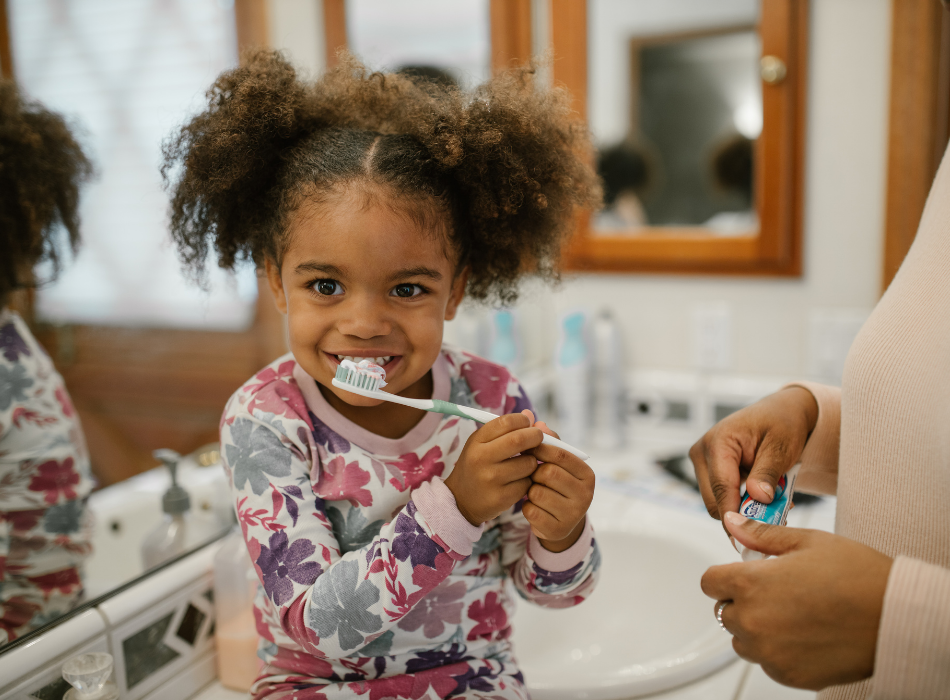
- First tooth to age three: Brush twice daily using a soft-bristled baby toothbrush and a smear of fluoride toothpaste (roughly the size of a grain of rice).
- Ages three to six: Increase the toothpaste amount to a pea-sized drop. Supervise brushing to ensure they spit out the paste rather than swallowing it.
- Flossing: Start flossing as soon as any two teeth touch side-by-side.
Preventing Early Childhood Cavities (Baby Bottle Tooth Decay)
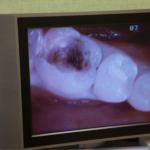
Decay in primary teeth can develop rapidly because baby enamel is thinner than adult enamel.
To safeguard your child’s smile:
- Avoid bed bottles with milk or juice: Prolonged exposure to natural sugars overnight feeds cavity-causing bacteria. If your baby needs a bottle for soothing at bedtime, fill it only with plain water.
- Transition to a regular cup by age one: Prolonged sippy cup use keeps sugary liquids pooling around upper front teeth.
- Schedule the first dental visit early: Book your child’s initial dental checkup by their first birthday or within six months of their first tooth erupting.
Taking proactive care of baby teeth builds healthy oral habits that prevent costly orthodontic interventions and keep your child smiling with confidence.