





The Hidden Warning Signs: Are You Ignoring Early Gingivitis?
We’ve all been there: you’re brushing your teeth, you spit into the sink, and you notice a streak of pink. It’s easy to shrug it off and assume you just brushed a little too hard.
But your gums shouldn’t bleed from a standard brushing session.
That little bit of blood is often the very first whisper of gingivitis—the earliest, most reversible stage of gum disease. Because it rarely hurts in the beginning, millions of people tolerate the early symptoms until it develops into something much more painful and expensive to treat.
If you catch it early, reversing it can be as simple as tweaking your daily routine. Here is what you need to look out for before a minor issue turns into a major dental headache.
4 Early Warning Signs of Gingivitis
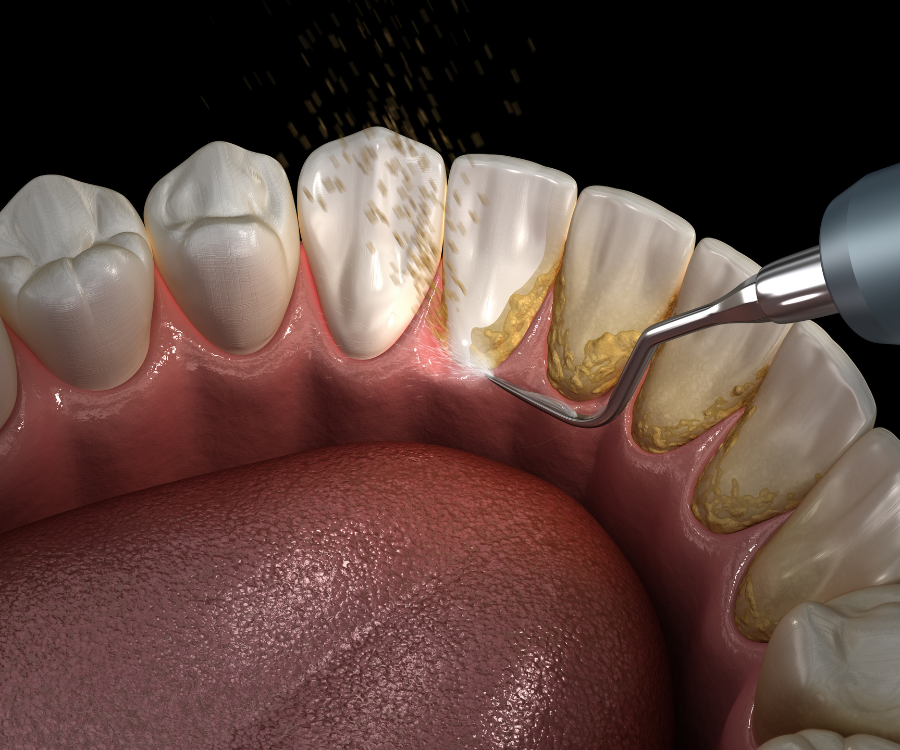
Healthy gums are supposed to be firm, pale pink, and fit snugly around your teeth. When plaque—a sticky film of bacteria—builds up along the gumline, it irritates the tissue. This irritation triggers the early signs detailed below.
1. Gums That Bleed When You Brush or Floss
This is the classic, textbook indicator. Healthy gum tissue is resilient. If your gums bleed during your normal oral hygiene routine, or even when you bite into a crisp apple, they are inflamed.
2. Puffy, Swollen, or Tender Gums
Take a close look in the mirror. Do your gums look slightly rolled or puffy where they meet your teeth? When bacteria sit on your teeth, your immune system rushes blood and defensive cells to the area to fight off the invaders. This increased blood flow makes the tissue look redder than usual, swollen, and slightly tender to the touch.
3. Persistent Bad Breath (Halitosis)
We all get morning breath, but if you notice an unpleasant taste or odor that lingers even after brushing and using mouthwash, bacteria might be the culprit. The plaque and tartar (hardened plaque) causing gingivitis emit foul-smelling sulfur compounds that standard breath mints can’t hide for long.
4. Receding Gums (Teeth Looking “Longer”)
As inflammation worsens, your gums may begin to pull back away from your teeth. If you look closely and notice that your teeth suddenly seem longer, or if you can see the slightly darker root area exposed at the top of the tooth, your gumline is likely receding.
Why Early Detection Matters
The best thing about gingivitis? It is completely reversible.
Because the bacteria haven’t attacked the underlying bone structure supporting your teeth yet, a thorough professional cleaning and diligent home care can completely restore your oral health.
However, if left ignored, gingivitis can progress into periodontitis.
Once gum disease reaches the stage of periodontitis, the damage to the bone and tissue becomes irreversible, potentially leading to loose teeth or tooth loss.
Quick Checklist: Healthy vs. At-Risk Gums
| Characteristic | Healthy Gums | Early Gingivitis |
| Color | Pale, coral pink | Bright red or dusky red |
| Texture | Firm, stippled (like an orange peel) | Puffy, smooth, or glossy |
| Bleeding | None during normal brushing/flossing | Frequent bleeding under slight pressure |
| Sensation | Pain-free | Mild tenderness, occasional throbbing |
How to Reverse Early Gingivitis at Home
If you’ve spotted a few of these signs, don’t panic. You can take immediate action to get your oral health back on track:
- Brush for two full minutes, twice a day: Use a soft-bristled toothbrush. Hard bristles can aggravate inflamed gums and accelerate gum recession.
- Commit to daily flossing: Brushing cleans only about 60% of the tooth surface. Flossing removes the hidden plaque trapped between your teeth where gingivitis usually starts.
- Schedule a professional cleaning: Once plaque hardens into tartar (calculus), it cannot be brushed away at home. A dental hygienist needs to scale it off to allow your gums to heal properly.
Your gums are the foundation of your smile. Pay attention to the early warning signs, stay consistent with your routine, and book a check-up if things don’t clear up in a week or two.