





Have you ever taken a sip of ice water or a bite of hot soup, only to be met with a sudden, sharp zing of pain? If you have, you are definitely not alone.
While older surveys estimated that about one in eight adults in the US dealt with this issue, recent large-scale international studies suggest that up to 1 in 2 adults experience the pain of tooth sensitivity at some point.
Living with sensitive teeth (clinically known as dentin hypersensitivity) can make eating your favorite foods a stressful experience. But what actually causes it, and more importantly, how can you fix it? Here is the truth about tooth sensitivity and how to find lasting relief.
What Exactly Is Tooth Sensitivity? (The Science)
To understand why your teeth hurt, we have to look under the hood. Your teeth aren’t just solid blocks of bone; they are complex structures made up of distinct layers.
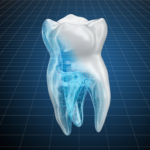
Explore this cross-section to see how the inner layers of a tooth are structured, and how damage or decay can expose the nerves inside:
- Enamel: The hard, shiny, protective outer layer of the tooth crown.
- Dentin: The softer layer right beneath the enamel. Dentin contains thousands of microscopic tubes (tubules) that connect directly to the inner nerve of the tooth.
- Pulp: The soft center of the tooth that houses the nerves and blood vessels.
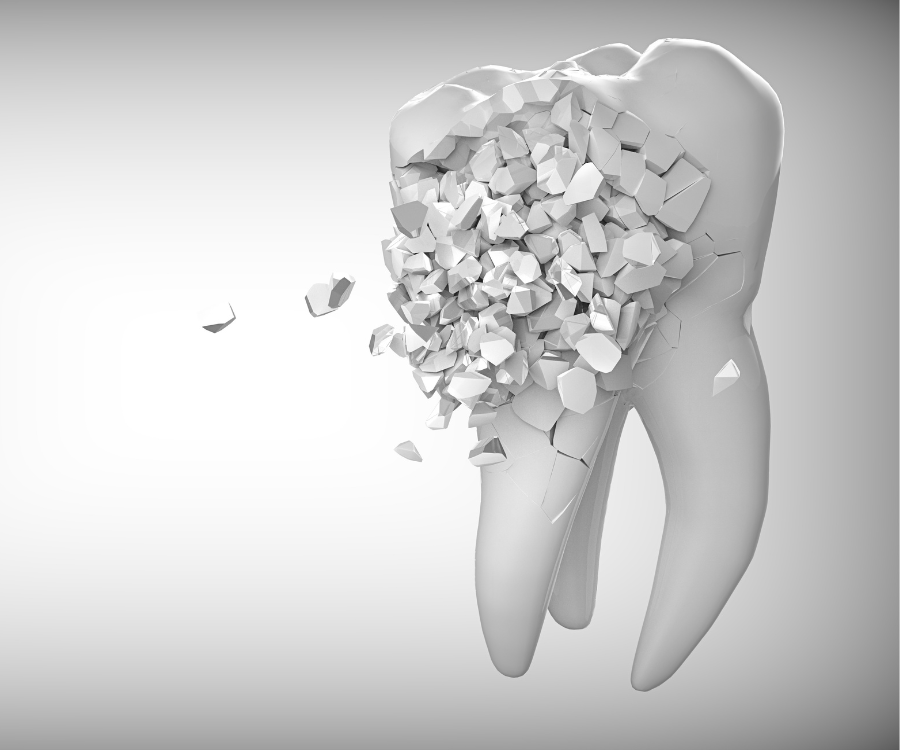
When your protective enamel wears away or your gums recede, the underlying dentin becomes exposed. Those tiny tubes in the dentin act as a direct highway for thermal or chemical triggers. When heat, cold, or acidic foods hit the exposed dentin, the sensation travels straight to the nerves inside the pulp, resulting in that sharp jolt of pain.
Common Culprits Behind Sensitive Teeth
Why does enamel wear down in the first place? Tooth sensitivity rarely happens overnight. It is usually the result of gradual enamel erosion or gum tissue pulling away from the teeth.
Here are the most common offenders:
- Brushing Too Hard: Aggressive brushing with a hard-bristled toothbrush can literally scrub away your enamel and encourage your gums to recede.
- Highly Acidic Diets: Frequent consumption of citrus fruits, sodas, tomatoes, and coffee can chemically erode enamel over time.
- Teeth Grinding (Bruxism): Clenching or grinding your teeth, especially in your sleep, physically wears down the chewing surfaces and creates micro-cracks in the enamel.
- Gum Recession: Gum disease (periodontitis) or aggressive brushing can cause gums to pull back, exposing the sensitive roots of your teeth. The roots are naturally covered by a softer material called cementum, not hard enamel.
- Tooth Whitening Products: Many at-home whitening kits contain harsh bleaching agents that temporarily increase sensitivity by making the enamel more permeable.
3 Myths About Tooth Sensitivity
There is a lot of misinformation out there about why our teeth hurt. Let’s clear up some common misconceptions.
| The Myth | The Reality |
| “It’s definitely a cavity.” | While cavities do cause pain, sensitivity to cold or heat across multiple teeth is often just exposed dentin, not necessarily decay. |
| “It will eventually go away on its own.” | Enamel does not grow back. If the root is exposed or the enamel is worn, you need proactive treatment to block the pain signals. |
| “I should stop brushing if it hurts.” | Skipping brushing allows plaque to build up. Plaque produces acid that makes sensitivity much worse. Keep brushing, but switch your technique. |
How to Treat Sensitive Teeth
You don’t have to just live with the pain. Depending on the severity of your enamel erosion, there are several effective ways to treat sensitive teeth at home and in the dental chair.
- Switch to a Desensitizing Toothpaste: These toothpastes contain active ingredients (like potassium nitrate or stannous fluoride) that physically block the microscopic tubules in your dentin, stopping the pain signals from reaching the nerve. It usually takes a few weeks of twice-daily use to feel the full effect.
- Upgrade Your Brushing Technique: Swap out your hard brush for a soft-bristled toothbrush. Use gentle, circular motions rather than aggressively sawing back and forth across your gumline.
- Neutralize Acid: Cut back on highly acidic foods and drinks. When you do consume them, rinse your mouth with water afterward. Wait at least 30 minutes before brushing your teeth; brushing immediately after eating acid can scrub away softened enamel.
- Wear a Nightguard: If you wake up with a sore jaw or suspect you grind your teeth at night, ask your dentist for a custom-fitted mouthguard. This will protect your enamel from heavy grinding forces.
When to See a Dentist
If your tooth sensitivity is severe, lasts longer than a few weeks despite using desensitizing toothpaste, or is localized to one specific tooth, it’s time to book an appointment.
A dentist can rule out deeper issues like a cracked tooth or a deep cavity. They also offer professional-grade treatments for sensitivity, such as applying fluoride varnish to strengthen the enamel, using dental bonding to cover exposed roots, or performing a root canal for severe, irreversible nerve pain.